Best Fan for Sleep Apnea: Breeze Your Way to Dreamland Without Snoring
Falling asleep shouldn’t feel like running a marathon. For those of us managing sleep apnea, even simple air can feel uncooperative.
Fans might seem like humble tools, but in the world of nighttime comforts, a good fan can keep rooms cool and air moving. Those are two things that absolutely matter if you sleep with a CPAP machine or struggle to breathe at night.
The right fan won’t cure sleep apnea. But it can help us avoid sweating through our sheets or waking up feeling like we slept in a stuffy closet.
Not all fans are created equal, though. Some sound like an airplane taking off (annoying), while others barely move the air (even more annoying).
For sleep apnea, we need a fan that’s quiet but moves enough air to keep us comfortable. Size matters if you have a tiny bedside table, and you probably don’t want a heavy beast that could double as a medieval battering ram.
Filters can help, too, since dust is the enemy of peaceful breathing. We set out to find the best fans that make sleeping with sleep apnea just a tiny bit easier.
We researched and tested several fans to see which ones brought cool comfort (and maybe a little peace and quiet) to our nights.
Best Fans for Sleep Apnea
We know sleep apnea can make nights long and noisy. Finding the right fan is no joke.
Our list includes fans that keep air moving and snoring partners (maybe us) a bit quieter. Let’s check out the top fans that might help us breathe easier and sleep better.
NBF Anti Snoring Device
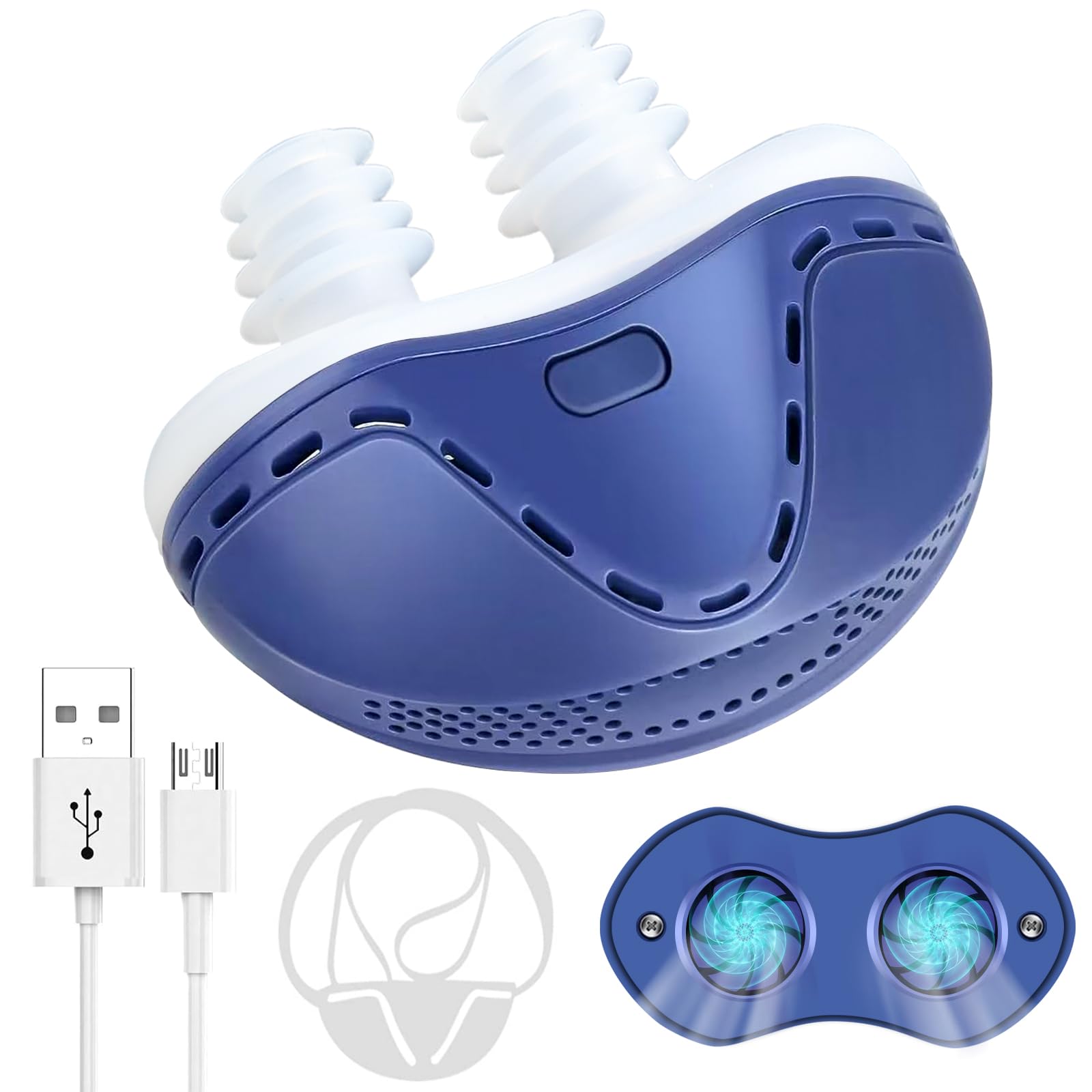
If we’re tired of snoring like a chainsaw and keeping the whole house awake, this gadget could be worth a try. It takes a bit of getting used to.
Pros
- Easy to clean and reuse—no more tossing out disposables every night
- Soft silicone fits well and doesn’t squeeze our noses like a vice
- Adjustable airflow lets us pick between “gentle breeze” or “mini wind tunnel”
Cons
- Some of us needed a few nights to stop feeling like Darth Vader
- A couple of people said the airflow wasn’t strong enough
- Battery life is good for one night, but not a full weekend trip
We’ve tried the NBF Anti Snoring Device and, honestly, it feels like something straight out of a sci-fi movie. After a short adjustment period, sliding this tiny fan in our noses was surprisingly comfortable.
The ear hook really does help keep everything in place. No more waking up in the middle of the night playing “find the missing gadget.”
Customizing the wind speed makes a real difference. We liked being able to pick a low and gentle setting so it doesn’t feel like there’s a tornado in our nose.
It’s portable, charges with a USB cable, and won’t need extra batteries, which is perfect for those of us who forget to buy replacements. Cleaning is super easy—we take it apart, run it under water, and it’s ready for the next snore-fest.
Some of us found the fit snug enough to block snoring, while a few thought it didn’t quite keep up with their 12-hour sleep marathons. If we don’t mind a little adjustment at bedtime and aren’t expecting miracles, the NBF Anti Snoring Device gives us a real shot at quieter nights.
LUNIA Anti-Snoring Device
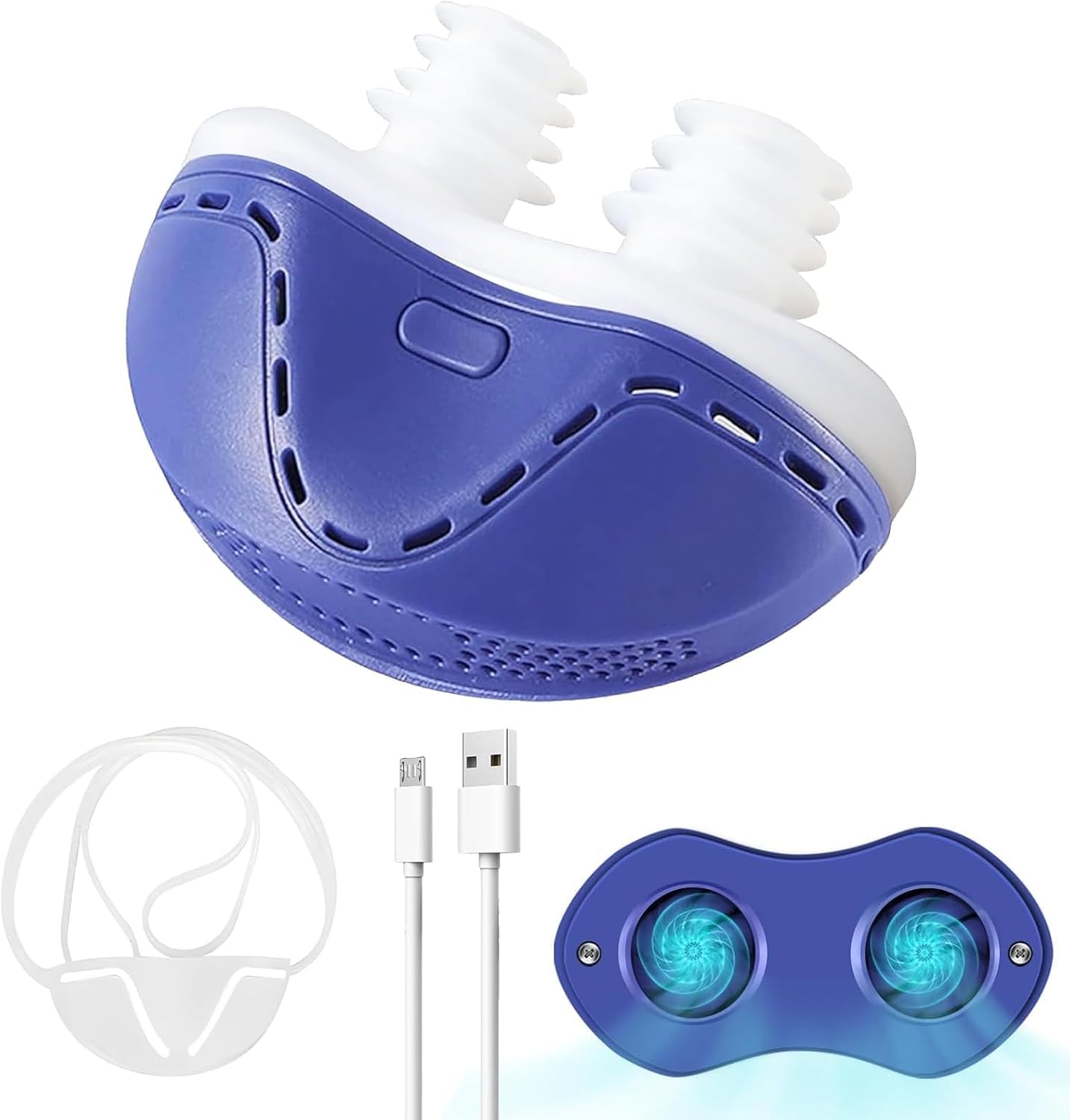
Let’s be honest, if you’re tired of nightly snore concerts, this tiny device is worth a shot.
Pros
- Soft silicone feels gentle and comfy in our noses
- Delivers airflow quietly without waking anyone up
- Fits inside nostrils and stays in place (unless we sneeze)
Cons
- Air pressure isn’t super strong for heavy snorers
- Slight plastic smell when new (but it fades)
- Not as powerful as a CPAP machine
We tried the LUNIA Anti-Snoring Device after tossing and turning for weeks. What really stood out is how soft the silicone feels.
It slides into our nostrils without causing discomfort or making us look like circus clowns—unless you count wearing it for late-night snack runs. The whole contraption sits snugly, and it didn’t fall out even when our partner accidentally elbowed us in the face during dream-wrestling.
The first night there was a faint plastic scent, which gave us flashbacks to assembling kids’ toys. After running it for a night, that funny smell disappeared.
Using it is simple—just fit the nostril plugs and flip the switch. Suddenly, there’s gentle airflow that’s almost silent.
We liked that we didn’t wake up to the familiar sound of our own snoring echoing off the walls or the deathly stare of a disgruntled spouse. We didn’t feel blasts of air, so folks who need lots of airflow (or who used CPAP machines before) might want more oomph.
For us, though, it worked to reduce snoring and left us with fewer pillow-throwing fights. The battery lasted through the night, which is a major plus unless you prefer a scary surprise at 3 a.m.
Overall, it’s a quirky but comfortable little helper for anyone who wants snoring tamed—without strapping a leaf blower to their face.
Sleep Apnea Mini Fan by Generic
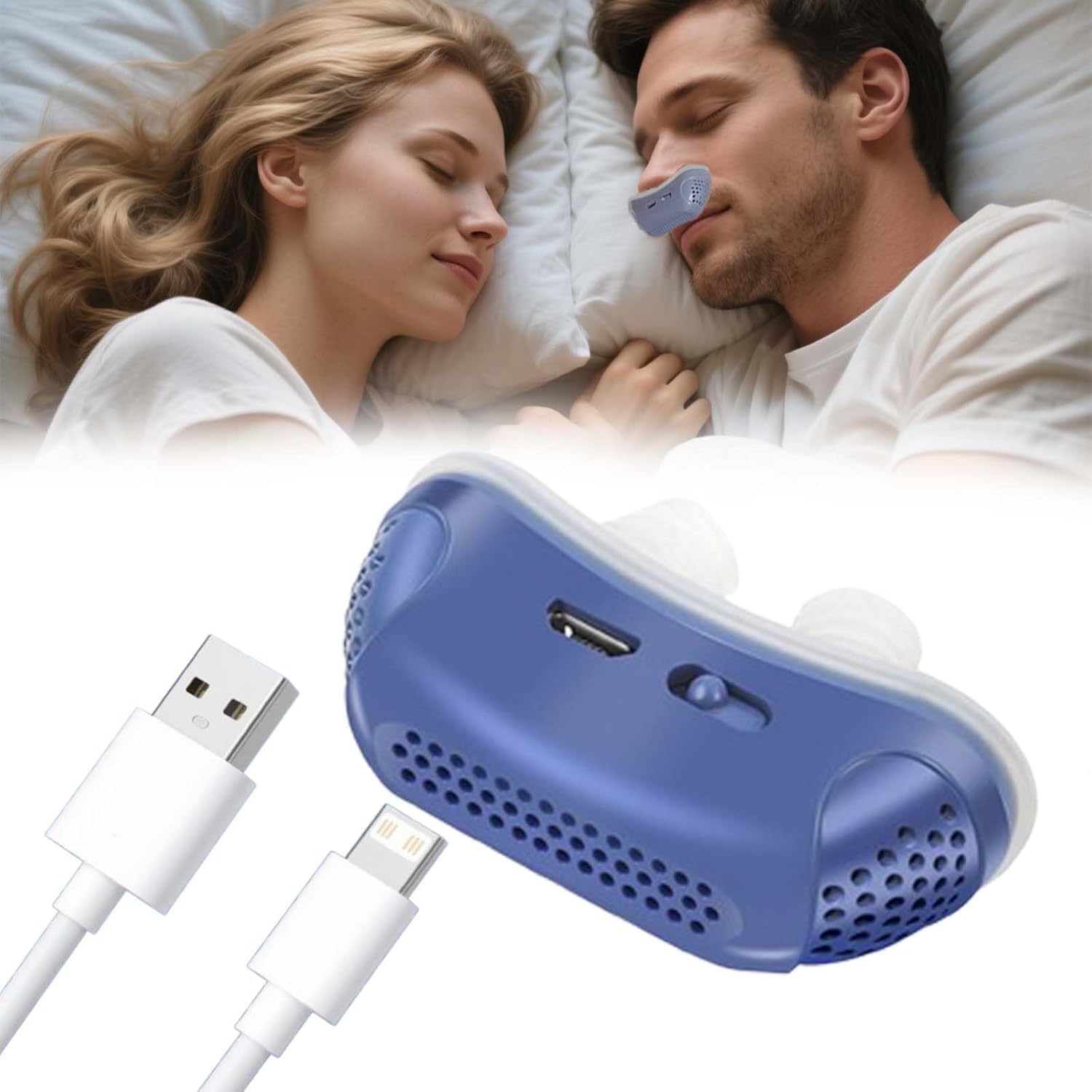
If wrestling with midnight snoring contests is our thing, this handy blue gadget actually makes sleep feel less like a wild adventure.
Pros
- Super quiet, so we don’t wake up partners or pets
- Comfortable fit that doesn’t pinch or poke our faces
- Easy to use with just one button (even if we’re half-asleep)
Cons
- Takes some getting used to having anything on our face at night
- Needs to be charged, so if we forget, it’s back to snore city
- Airflow may not be strong enough for those who want a wind tunnel
We popped this little blue device on before bed, a bit skeptical about sleeping with something on our nose. Surprisingly, it sat gently on our faces and didn’t turn us into robots.
The airflow was adjustable, so we could actually play Goldilocks with the settings—some nights we liked it just right, other nights we cranked it up if we felt stuffy. What stunned us most was how quiet this fan ran.
No humming, buzzing, or “Did someone leave the dishwasher on?” moments. We barely noticed it was working, which was definitely a relief after some past fan disasters.
Our partners definitely noticed fewer snore symphonies, so bonus points for peace at home! It also scores top marks in the convenience department.
Toss it in a travel bag or charge it by USB and there’s no need to wrestle with extension cords or weird adapters. However, we learned quickly that if we didn’t remember to charge it, this little helper just sat there, looking cute and doing nothing.
Overall, it’s a solid option for anyone tired of overnight noise and dreams of clearer breathing.
NBF Anti Snoring Device
We do not recommend this device for sleep apnea unless your idea of a restful night is a wild experiment.
Pros
- We enjoyed the novelty—who wouldn’t want a tiny fan up their nose?
- The silicone material feels soft at first, which is about as comforting as this product gets.
- Rechargeable and portable, so it could travel… if it lasts long enough.
Cons
- Short battery life leaves us wide awake at 3 a.m.—every single time.
- Wind speed is more of a gentle whisper, certainly not a breeze.
- Ear-hanging strap is like a game of “how fast can this thing fall off?”
Let’s start with the elephant—or rather, the tiny roaring mouse—in the room: this NBF Anti Snoring Device. We popped it in, switched it on, and waited for the magic.
Instead, we got a soft hum and enough airflow to make a dandelion flinch, but not enough to help anyone breathe better through the night. Charging it is a true gamble.
The first night felt promising, but by the third night, well, let’s just say our device called it quits and went to bed before we did. For those who enjoy waking up to alarms, this fan just powers down mid-dream, so you get an unwanted “wake up now” feature included.
Strapping it on is equally fun. Those little silicone plugs are awkward, and we found ourselves wrestling with the ear rope only to have it fall off halfway through the night.
If you have a small nose or ears, good luck—this thing is definitely not a one-size-fits-all wonder. If you’re looking for a snoring solution, we’d say let’s keep searching and maybe avoid miniature nose fans for now!
Dreo Bedroom Fan

If sleep apnea and summer heat team up against us, this fan is the sidekick we didn’t know we needed.
Pros
- Ultra-quiet; we barely notice it’s even on
- Remote control makes late-night adjustments ridiculously easy
- Powerful airflow that cools every corner of the room
Cons
- Not as tall as we’d like—no standing ovations here
- Limited color options if we’re trying to match our bedroom drama
- The LED screen isn’t shy (though it thankfully turns off after 60 seconds)
Let’s be honest: most fans either sound like a jet engine or have the power of a tired kitten. Not this one.
The Dreo Bedroom Fan quietly moves a surprising amount of air—so the room feels fresh, but our sleep routine doesn’t get interrupted by noise. The lowest setting is so peaceful, sometimes we have to put our hand up to check if it’s running.
We’re big fans (pun intended) of the remote. Adjusting speed or turning on the oscillation feature is as simple as pressing a button, even if we’re already under the covers.
The tilt and oscillation reach every corner, so even if someone in the bed likes it a bit cooler, we’ve got them covered—no more pillow forts or fan wars. Cleaning isn’t a chore for us anymore, thanks to the easy-to-remove grille and blades.
While it’s not going to win any beauty contests—just basic white—it fits in with pretty much any décor. We do sometimes wish it was a bit taller, but for our nightstand, it’s a perfect match.
So, if you’re after a quiet powerhouse to help with stuffy nights and snoring battles, the Dreo Bedroom Fan deserves a serious look.
SNOOZ Breez Fan & White Noise Combo

If you want a decent night’s sleep without fighting noise or stale air, this clever little gadget might finally be what we’ve been needing.
Pros
- Gets the air moving and keeps us cool all night
- Dialed-in white noise saves us from barking dogs and snoring partners
- Remote control and app mean we don’t have to leave our cozy blankets
Cons
- On the pricier side for those of us counting pennies
- We might tinker with settings more than we’ll admit
- It needs a cord, so we can’t drag it around the whole house
We fired up the SNOOZ Breez and immediately noticed the punch of cool air.
No waiting, no weak breeze—this thing means business.
Getting the white noise dialed in was actually fun.
We spent a while playing with the fan speed and sound, and we may have pretended we were NASA engineers for a minute.
The app makes it dangerously easy to change settings from across the room.
One weird thing: we heard a little rattle on the first night, but by morning it was gone.
Maybe the fan just needed to settle in or get used to us.
The SNOOZ Breez costs more than some fans, but it feels solid and we’re sleeping better.
With the temperature control kicking in when the room heats up, we’re not waking up sweaty anymore.
Dreo Bedroom Fan

If we’re trying to survive sleep apnea and sweaty nights without sounding like a freight train, this fan deserves a spot on the nightstand.
Pros
- Unbelievably quiet—we almost had to double-check if we turned it on
- Strong airflow cools the whole room (our socks nearly flew off)
- Compact build fits even on our disaster of a nightstand
Cons
- Can’t run cordless (we tripped on the cord—again)
- Remote is easy to lose in our bed sheets
- LED screen is bright unless we use the auto-off
For those of us who snore or struggle to breathe at night, a loud, clunky fan just won’t cut it.
This little Dreo Bedroom Fan is so quiet that we can hear our own weird bedtime thoughts, but it still brings enough cool air to keep things comfy.
We noticed the difference right away—no more hot corners in the room, no more tossing the sheets off at 2 AM.
With the oscillating function, no sibling or pet is left out in the breeze.
Changing the settings is a breeze, though the remote seems to think our bed is its new home.
The four speeds let us pick between a gentle “you’ve got this” breeze and a mini indoor wind tunnel.
The LED screen doesn’t keep us up, thanks to the auto-off after a minute.
We used to cover these with socks, but not anymore.
Cleaning this fan isn’t a chore for once.
We’ve taken the front grille off in seconds and kept things dust-free.
It’s small, black, and looks good next to pretty much anything—a true team player for airflow and style.
If only we could train it to bring us snacks at night too.
Honeywell QuietSet Sleep Fan
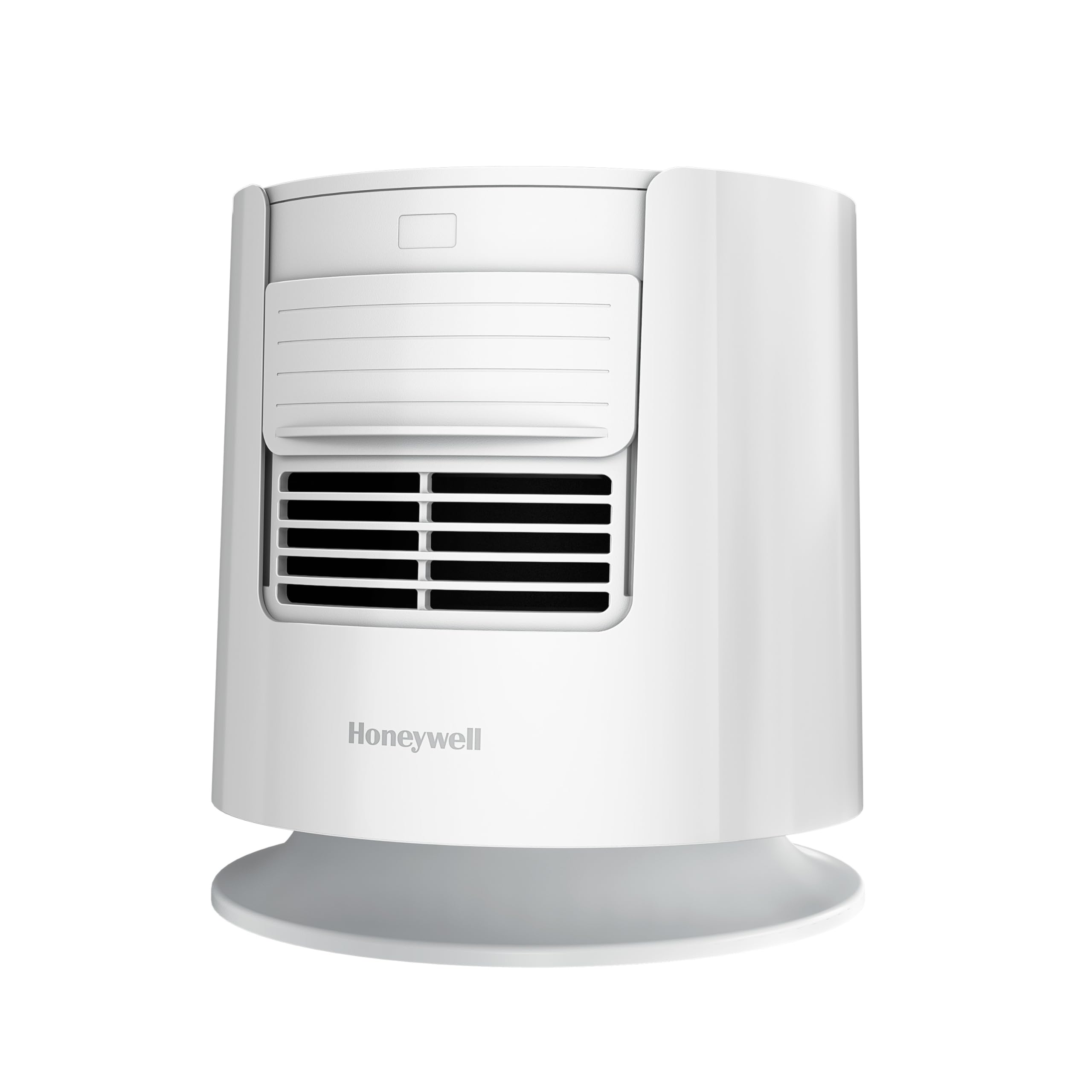
If you need a fan that keeps your sleep calm and avoids blasting your face with icy air, this little Honeywell is definitely one of our favorites.
Pros
- Pink noise is soothing and less harsh than white noise
- Compact enough to plop anywhere, even a crowded nightstand
- Optional airflow means we’re not stuck freezing all night
Cons
- Getting the settings just right takes a hot minute
- At the lowest speed it’s still too loud for some of us
- Awkward, boxy shape can make placement a puzzle
We tried the Honeywell QuietSet Sleep Fan while testing out gadgets for sleep apnea.
That pink noise felt softer, more balanced, and didn’t sound like we were sleeping next to a waterfall on full blast.
More like a gentle rain with the occasional breeze.
We can turn the fan’s airflow all the way off and still get the pink noise, which saved us from waking up with Sahara-level dry mouths.
Placement is a breeze—pun intended—since it’s so compact.
We squeezed it in on a nightstand overflowing with water bottles, books, and earbuds, and it managed to fit right in.
Controls are simple and won’t blind us if we have a panic wake-up at 3am.
Those panel lights dim themselves for a less obnoxious nighttime glow.
We’ve got some complaints, like the shape reminding us of a lunchbox from the 90s.
The lowest setting is still oddly loud for folks sensitive to noise.
Plus, figuring out how to tweak the air and sound took more thought than we’d like to admit.
But for blocking out snoring partners and mystery noises, this is a worthy teammate in our bedroom arsenal.
Lasko Slumberbreeze Table Fan
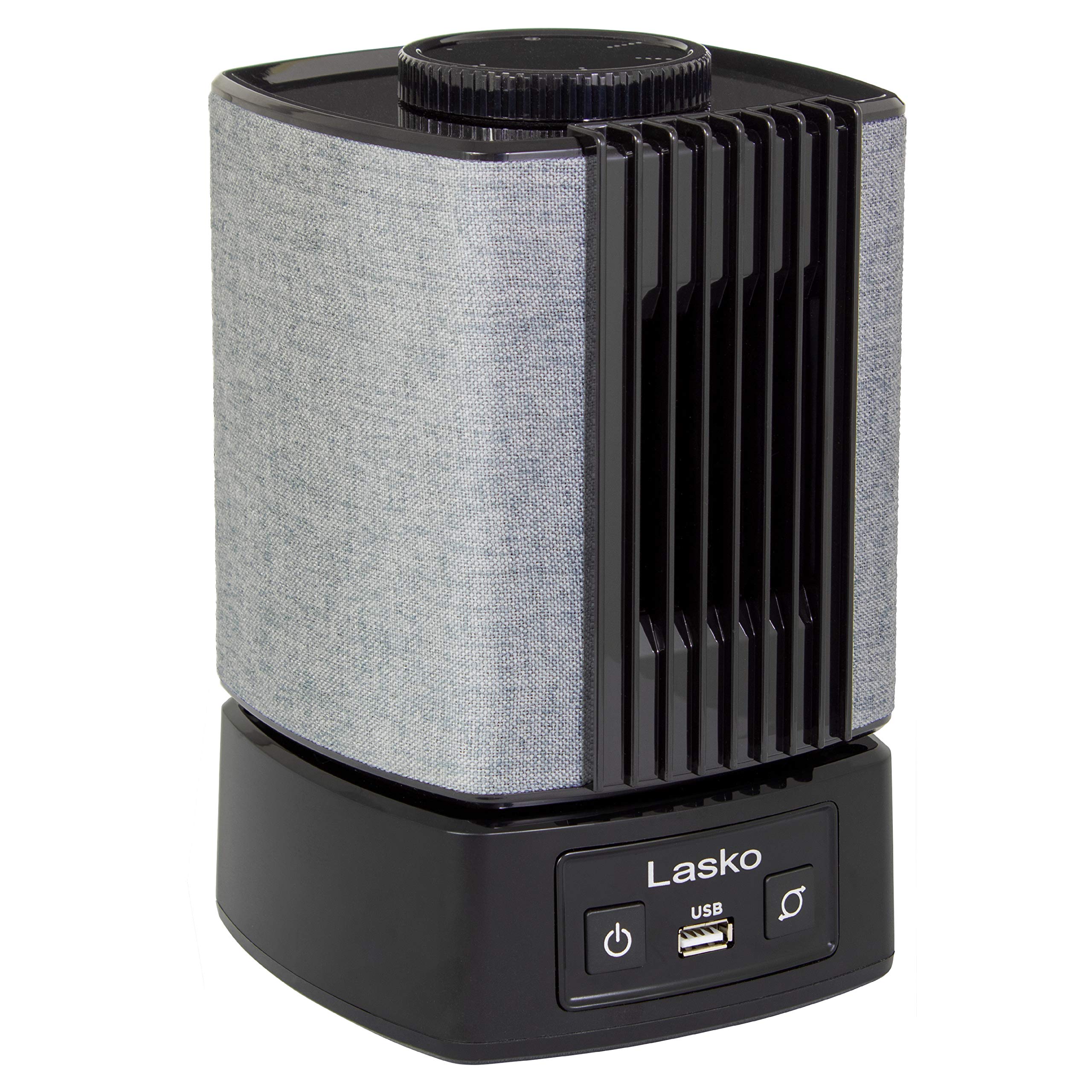
If we crave some cool air and a dash of gentle white noise to help with sleep apnea, this fan tackles both—but don’t expect gale-force winds.
Pros
- Doubles as both a fan and a white noise machine—two-for-one magic
- Fits on even the most crowded nightstand like it was made for us
- Offers USB charging so our phones don’t die by morning
Cons
- Fan speed may underwhelm anyone who enjoys hurricane-level breezes
- The white noise only works when the fan is running, so no secret missions
- Not the cheapest gadget on the shelf
Combining a table fan and a white noise machine sounds fancy, but once we set up the Lasko Slumberbreeze on our nightstand, we spotted the real perk: saving precious bedside real estate.
It helps us drift off with a soft hum, and the adjustable settings let us find our ideal noise tone.
For those of us who share a bed, the white noise is just loud enough to block out the neighbor’s late-night karaoke without making the whole room sound like an airport runway.
We gave the fan’s cooling power a try.
While it’s not exactly a wind tunnel, it does a good job keeping the air moving near our pillow.
We like the gentle feeling—it doesn’t freeze our faces but adds a fresh touch that’s nice for light sleepers.
The controls are simple enough even if we’re half-asleep (which, let’s be honest, we usually are).
The built-in USB port is handy for charging phones or smartwatches.
We no longer need to crawl under the bed blindly searching for a charger.
If you’re hoping for a white noise machine that works all on its own, this fan might not fit the bill.
But if you’re fine with a gentle breeze plus gentle noise, it’s worth a shot for our sleep apnea nights.
Micro Sleep Apnea Turbofan
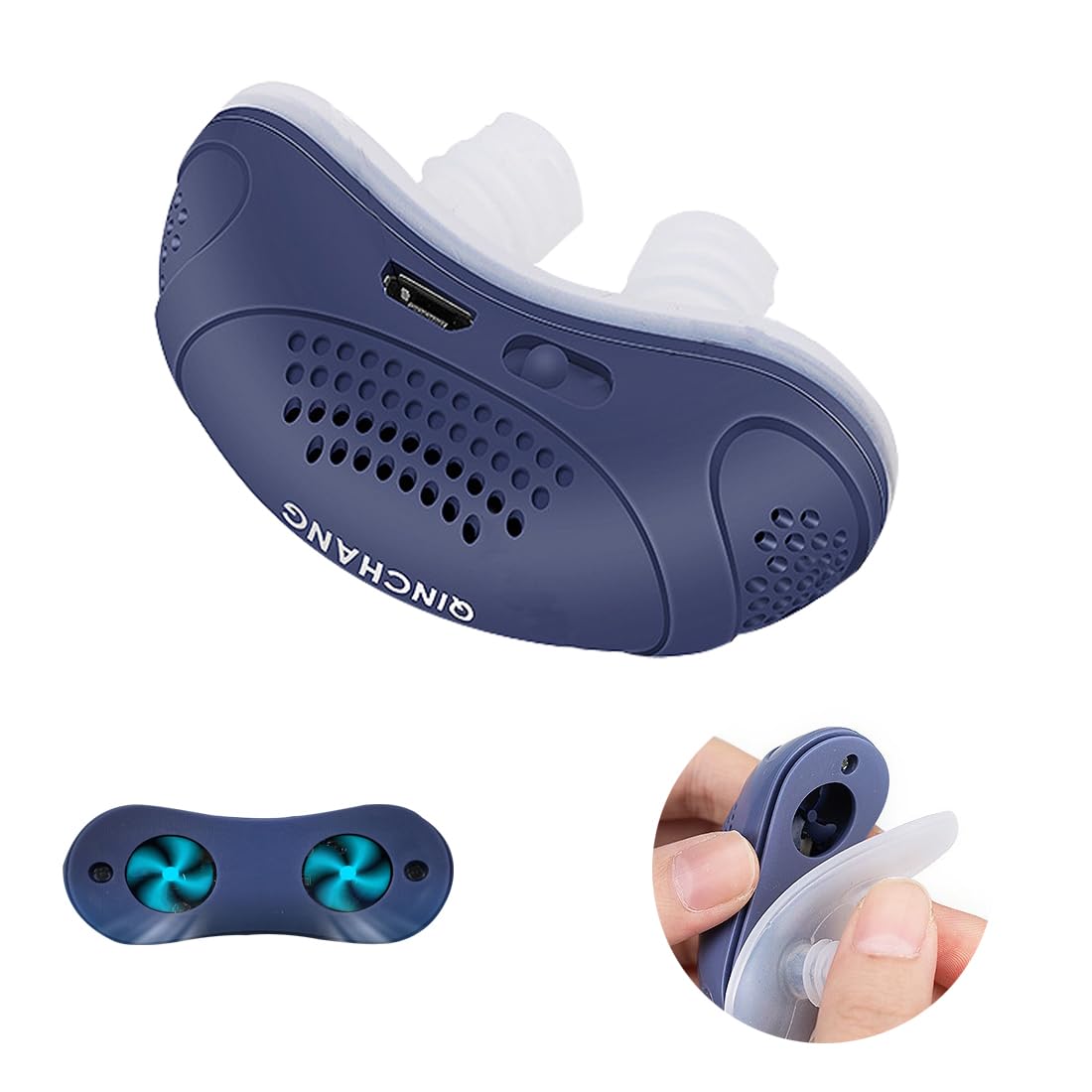
If we’re tired of sounding like a dying moose at night, this little gizmo is worth a try for quieter sleep.
Pros
- Twin turbofans push more air, which actually helps us breathe better
- We can recharge it and dodge the endless search for batteries
- The squishy silicone means our noses didn’t end up red and sore
Cons
- Slipping it in felt odd at first—we kept giggling about looking like tiny robots
- It’s not silent; there’s a faint hum from the mini fans that takes some getting used to
- Not everyone loves something sitting in their nose all night. Our more sensitive sleepers wanted it gone by morning.
After trying out the Micro Sleep Apnea Turbofan, we found its built-in twin turbofans pack a surprising punch.
Our breathing felt more open, and we didn’t wake up gasping or elbowing each other for more air.
The soft silicone design made it comfortable enough to use all night.
We actually forgot we were wearing it—until someone started snoring again and we remembered why we got it.
No marks or soreness in the morning, just our egos a bit bruised from the futuristic look.
Recharging is easy—no more late-night drawer hunts for AAA batteries.
We just plugged it in during the day and it was ready to go before bedtime.
Some in our crew needed a few nights to get used to the feel, but that’s true for most gadgets we shove up our noses.
If we’re ready to take on sleep apnea like tiny cyborg superheroes, this device is a solid pick.
Buying Guide
When we shop for a fan to help with sleep apnea, we want more than just a breeze strong enough to knock our socks off.
Let’s look at what actually matters.
First, let’s talk about noise.
Some of us need a gentle hum, while others need a fan quieter than a ninja tiptoeing at midnight.
Let’s check that, because nobody wants a fan that sounds like a helicopter in the bedroom.
Second, we have to check the airflow.
Fans come in all shapes and sizes, from little desk fans to ones that could cool a small barn.
Here’s what we should watch for:
| Feature | Why It Matters |
|---|---|
| Airflow Settings | Choose different speeds |
| Oscillation | Moves air around the room |
| Adjustable Height | Aims the breeze just right |
Next, let’s not ignore the filter.
A fan with a filter can help take some dust out of the air, which is a bonus if allergies gang up on us at night.
We also want easy controls.
We’re shopping, not training to be pilots.
Look for simple buttons, remotes, or even timers.
If the fan comes with sleep mode or a timer, that’s a win.
No one wants to wake up because the room turned into an icebox.
Let’s remember to check size.
A fan should fit near our bed, not force us to rearrange the whole room.
Assembly should be easier than finishing a jigsaw puzzle—preferably with no missing pieces.
With these tips, we’ll find a fan that helps us sleep better and doesn’t leave us chasing our pillow across the room.
Frequently Asked Questions
We know picking the right fan for sleep apnea means thinking about noise, airflow, and size. It’s not just about moving air—it’s about actually getting some sleep, not flapping around like bed-sheet kites.
Sometimes we want a loud hum. Sometimes we crave that bedroom jungle vibe, or just a break from our partner’s snoring.
What’s the noisiest fan that won’t blow us away like the Wizard of Oz?
We want that powerful sound, not a hurricane! Box fans or floor fans with several speed settings work well here.
Keep it on low or medium so we get the whoosh, not a tornado. Some models even let us angle the fan away from the bed, so we get noise without the flying pajamas.
How do we find a fan that sings us a white noise lullaby louder than our snoring?
Fans with high-speed motors and big blades usually make more sound. But not all noises are created equal—we want a fan that hums, not rattles.
Look for a fan labeled “white noise” or “sleep friendly.” Some brands even rate their fans’ decibel levels, so we can pick the loudest one our ears can handle.
Is there a tiny fan out there that roars like a lion for our sleeping jungle?
If our room is small but our need for noise is big, a compact fan with metal blades is a good pick. Small but mighty, some desk fans are surprisingly noisy without trying to leap off the nightstand.
Check for fans with adjustable tilt. That way, we can aim the roar right where we need it.
Got any tips for a fan that can drown out our partner’s snoring without turning the bedroom into a wind tunnel?
A fan with a wide base and several speed settings is our best friend here. Place it across the room and use medium speed, so the sound reaches us but the airflow doesn’t blast everything off the dresser.
We can toss a towel or mat under the fan to soak up extra vibrations. That little trick keeps things peaceful.
Can a loud fan make our dreams more breezy or will it just blow up our electric bill?
Loud fans don’t always have to cost a lot to run. Box fans and basic floor fans use less power than air conditioners.
Let’s check the fan’s wattage before buying. The lower the number, the less it’ll surprise us on the next bill.
What are the chances a pedestal fan will turn our night into a peaceful drone-filled slumber party?
Pedestal fans stand tall and usually give off a steady “whirrrrr.” The best ones let you tweak the height and angle, so everyone in the room can catch some of that soothing hum.
Look for models with a solid oscillation feature. That way, the sound fills the space more evenly.
Will it guarantee instant sleep? Probably not. But honestly, your odds are way better than with no fan at all!