Best Fan for Attic: Stop Sweating Like a Squirrel in Summer
Hot air rises. In the summer, our attics can feel like a sauna with a roof.
If you’ve ever popped your head up there and thought you might sweat through your shirt in two minutes, you know just how brutal attic heat can get. A good attic fan promises to flush out that muggy air so the whole house can breathe—and maybe, just maybe, keep us from cranking the air conditioner 24/7.
Picking the right attic fan takes more than just grabbing the first one that says “big breeze.” We have to think about things like the fan’s power (measured in cubic feet per minute, or CFM), how easy it is to install, and if it sounds like a gentle whisper or a jet engine.
For folks who want to keep energy bills low, extra features like thermostats or solar panels might be a make-or-break detail. And let’s not forget size—we definitely don’t want a fan that’s a tight squeeze in a tiny hatch.
From solar options to those requiring a plug and some patience, we tried out different attic fans. We tested how well they cool, how noisy they get, and if they’re, well, actually easy to live with.
Best Fans for Attic
Let’s face it—attics get so hot, our old winter sweaters start sweating. We searched high and low to find the best attic fans to keep our storage spaces cool and our secret stashes safe.
Check out our top picks below and give your attic a break!
Quietcool Smart Attic Fan

This attic fan is a solid pick for anyone tired of sweating buckets every time they peek into the attic.
Pros
- Quiet operation, so we aren’t yelling over the whirring noise.
- App control lets us boss the fan around from the couch.
- Installation feels like “plug-and-play” for real—it doesn’t take an engineering degree.
Cons
- Loses all its memory after a power outage and needs a reboot. (No, it’s not just us.)
- Doesn’t restart automatically after an interruption—we actually have to remember to turn it back on.
- App setup takes a few trial-and-error attempts unless you are our resident tech wizard.
Let’s talk about the noise, or rather, the lack of it. We were pleasantly surprised that it doesn’t sound like a jet engine taking off in the attic.
The fan runs quietly, which is a win since we really don’t need more things in our house making mysterious noises at night. The smart app control felt like a game-changer for us.
We got to tinker with all the settings without even climbing up a ladder. Setting the thermostat and humidistat was less science project, more “click and done.”
Our favorite part? Scheduling the fan to our stubborn attic’s moods—you’d hardly believe how easy it was.
Not everything impressed us, though. After our legendary five-minute blackout during a storm, the fan decided to sit and sulk until we remembered to reset it.
It refuses to resume by itself, so someone has to manually wake it up. The app can be a little tricky to set up at first, but a little patience pays off.
For the most part, Quietcool Smart Attic Fan keeps our attic cool, our ears unbothered, and our need for ladders at a minimum—unless, of course, the power goes out.
iLiving 12″ Shutter Exhaust Fan & Thermostat

If we’re tired of sweating like we’re living inside a bread oven every summer, this fan is worth a hard look for keeping the attic cool.
Pros
- Moves air fast and actually gets the attic breezy
- No fuss—sets up quickly and turns itself on and off
- Solid build with a sturdy, weather-proof feel
Cons
- Needs to be hardwired, so it’s not a plug-and-play setup
- Shutters sometimes don’t open if we don’t install it at a slight tilt
- Pretty noisy if cranked up all the way
We put this iLiving Shutter Exhaust Fan in our steamy attic and, wow, it’s like giving the place a set of lungs. The automatic shutters pop open when the fan fires up, so we don’t have to get splinters battling a vent cover every morning.
With the temperature controller, we can finally set it and forget it—a classic move for anyone who loves low effort, high payoff cooling. What really stands out is how much air it can push.
The attic went from being “hotter than a pizza oven” to something that almost resembles an actual room, not a sauna. The variable speed lets us fine-tune how intense the airflow is, which helps at night when we don’t want to feel like we’re living in a wind tunnel.
On the downside, we did have to break out a screwdriver and watch a “how to wire an attic fan” video—shout-out to all the DIYers with a healthy fear of electricity. Also, the shutters got a little stubborn unless we tilted the fan up a bit during install.
When running at top speed, it’s not exactly hush-hush, but if nobody’s living up there except our old boxes, who’s complaining?
Cool Attic CX1500 Gable Mount Fan

If we want a simple way to cool the attic and give our AC a break, this fan is a solid choice.
Pros
- Really pulls hot air out fast, so the attic stops feeling like a pizza oven.
- Thermostat means we can sit back and let it do the thinking for us.
- Installation didn’t require ninja-level skills—just follow the instructions and it’s done.
Cons
- A little louder than we hoped, but hey, at least it drowns out our neighbor’s dog.
- We had to hardwire it, so those without basic wiring skills may need backup.
- No humidistat, so it only thinks about the heat, not the wet stuff.
We installed the Cool Attic CX1500 on a day when our attic thermometer looked more like a mistake than a real temperature. After setting it up behind our gable vent and turning it on, we could feel the air moving out, like it was mad at the hot air for getting too comfortable.
It’s got a mechanical thermostat, so we just set our desired “do not melt” temperature and let it work. It’s not whisper quiet, but it’s not jet-engine loud either.
The hum became part of our house’s charm, like a very determined raccoon. We do wish it was a little smarter—maybe it could also sense humidity, or even offer to make us a snack while it’s at it.
But with solid airflow and a straightforward install, we think our attic (and our electric bill) are finally, mercifully, cooler.
iLiving Solar Attic Fan

If we want an attic that’s cooler than our neighbor’s freezer and enjoy saving some cash on electricity, this is the fan to try.
Pros
- Saves us money using free sunshine for power
- Adjustable thermostat gives us better control
- Runs whisper-quiet (at least by attic standards)
Cons
- Add-ons cost extra—nothing fun is ever totally free
- Installation is not a quick weekend treat
- Might need weather tweaks for odd roofs
Trying out the iLiving Solar Attic Fan, we can finally step into our attic in summer without melting like a snowman in July. The built-in thermostat is easy to adjust, so we don’t have to babysit the temperature or crawl up there every time the weather changes.
We liked setting it and forgetting it—except when we wanted to brag about our “high tech” attic to guests. We were impressed by how quiet this thing ran.
The noise is low enough that we only noticed it when we tried listening for it. When it kicked in, temperatures noticeably dipped after a few hours.
If we peeked in on a sunny afternoon, the difference was real. We set up a lawn chair just to celebrate not sweating buckets.
A couple of things gave us pause. The included parts didn’t cover some add-ons, like an AC adapter if you want it running at night too.
Getting the angle and fit right took patience, especially for us—DIY escape artists. But with a bit of elbow grease, lots of enthusiasm, and a friend who owes us a favor, we had it up and running quickly enough.
It’s not magic, but with direct sunlight and a little setup help, this fan works hard and delivers. If we’re tired of sweltering attics and hungry for a break on our utility bills, we’d absolutely give iLiving Solar Attic Fan a real shot.
VENTISOL 20″ Attic Shutter Fan

If you want a fast, no-nonsense way to clear out attic heat and stuffiness, this fan punches well above its price tag.
Pros
- Installation took less time than brewing a mediocre cup of coffee
- Feels like it could outlast our extended family reunions
- Moves a beastly amount of air—bye-bye, attic sauna
Cons
- Screws or mounting hardware? Nope, BYO toolbox
- Those automatic shutters let tiny bugs crash the party
- Gets a bit noisy if we try to get fancy with variable speed switches
After wrestling with attic air that made us sweat like we were in a waiting room for the sun, we finally installed the VENTISOL 20″ Attic Shutter Fan. We wondered why we waited so long.
The setup was refreshingly simple. No wiring headaches, and the pre-installed cord is long enough that we didn’t need to perform any gymnastic plugging-in maneuvers.
We immediately noticed how much cooler it felt in the attic. This thing roared to life, and there was a real, instant difference.
The automatic shutters open like magic. A few tiny bugs seemed to think it was their guest entrance—nothing a little screen couldn’t help.
It’s built like it was designed to protect a bank vault, with its tough metal and sturdy design. One of us even installed it above a kitchen to banish cooking fumes, and it handled that greasy challenge like a champ.
Noise-wise, it hums noticeably if you try to hack it into running slow. At full tilt, it just sounds powerful, not like a jet engine preparing for takeoff.
We only wish it shipped with mounting screws. Luckily, we’ve always got a drawer of mystery hardware for just these occasions.
MOUNTO Heavy Duty Attic Fan

If you want your attic to feel less like an oven and more like, well, an attic, this MOUNTO fan is worth considering.
Pros
- Moves air fast and cools stuffy spaces quickly
- Tough construction stands up to rough treatment
- Long hose lets us put air exactly where we want it
Cons
- Not exactly library quiet
- It’s heavier than a box of bricks
- Only one speed—full power or nothing
On our first try, we plugged this fan in and felt like a wind tunnel had moved into our attic. Airflow is super strong, punching out hot stale air and pulling in cooler air from outside.
We aimed the 25-foot hose deep into the corners that usually trap heat. It shoved all that hot air right out.
Setting it up took just a few minutes. Hauling it up the ladder was leg day and arm day combined.
The steel body is built to last (and feels like it weighs about as much). We’re not too worried about it getting banged around, but it isn’t something we want to move every day.
Noise-wise, this fan won’t win any awards for quiet operation. If you’re looking for a gentle breeze and a soft whisper, keep moving.
But if you want serious air movement and don’t mind a hum in the background, this is a no-nonsense option that gets the job done. With just one speed, it seems convinced we always want maximum power—and honestly, sometimes we do!
iLiving Attic Exhaust Fan

If we want our attic to actually be bearable in the summer without becoming a sauna, this fan is a smart pick.
Pros
- Moves tons of air and clears out stuffiness fast
- Durable build feels sturdy, not flimsy like some brands
- Simple install (minus the wiring fun)
Cons
- Needs hardwiring—no plug-and-play for us lazy types
- Variable speed controller isn’t included
- Can be noisy if we’re expecting whisper-quiet fans
This iLiving exhaust fan showed everyone in our attic who’s boss. We switched it on and immediately the stale, suffocating air was out the window—literally.
The air flow is so strong we half expected to lose a few stray papers up there. We love that it comes pre-assembled.
No hunting for missing screws or deciphering cryptic manuals. We did have to get out the wire strippers, but once hooked up, it hummed along and handled the heat better than we do.
The heavy-duty metal frame feels like it will last longer than our attic clutter. It does have a sense of humor—by blowing out air and not pulling it in, so don’t expect any reverse magic tricks.
The variable speed is cool but you’ll need to get the controller yourself (because apparently, nothing in life is free). If a bit of operational noise is going to get on our nerves, this probably isn’t the ninja-fan we’re hoping for.
iLiving Shutter Attic Fan

If you want your attic to feel less like a sauna and more like a normal part of your home, this fan is worth considering.
Pros
- Handles hot, muggy attics with ease
- Automatic shutters keep critters and weather out
- Really simple to install, even for us non-electricians
Cons
- Only runs at one speed—wish we had more control
- Needs to be hardwired, so not a plug-and-play option
- It’s not the quietest fan on the block
This fan doesn’t play around. We flipped the switch and immediately noticed a big difference in how much cooler the attic felt.
The sturdy galvanized steel frame gives it that built-to-last vibe. That’s a good feeling when you’re installing something above your head.
We appreciate the automatic shutters. No more worrying about birds or bugs making surprise visits during the night.
When this fan is off, those shutters drop closed and keep the bad stuff out. That’s more than we can say for some other fans we tried.
This fan sounds like it means business. So while it moves air out with real power, don’t expect total silence.
The setup is straightforward as long as you’re comfortable with basic wiring. It’s definitely not a plug-and-go model.
For anyone who wants a heavy-duty solution to attic heat, the iLiving Shutter Attic Fan kept us cool—and mildly entertained watching those shutters snap open and closed.
Air Vent 24″ Attic Fan
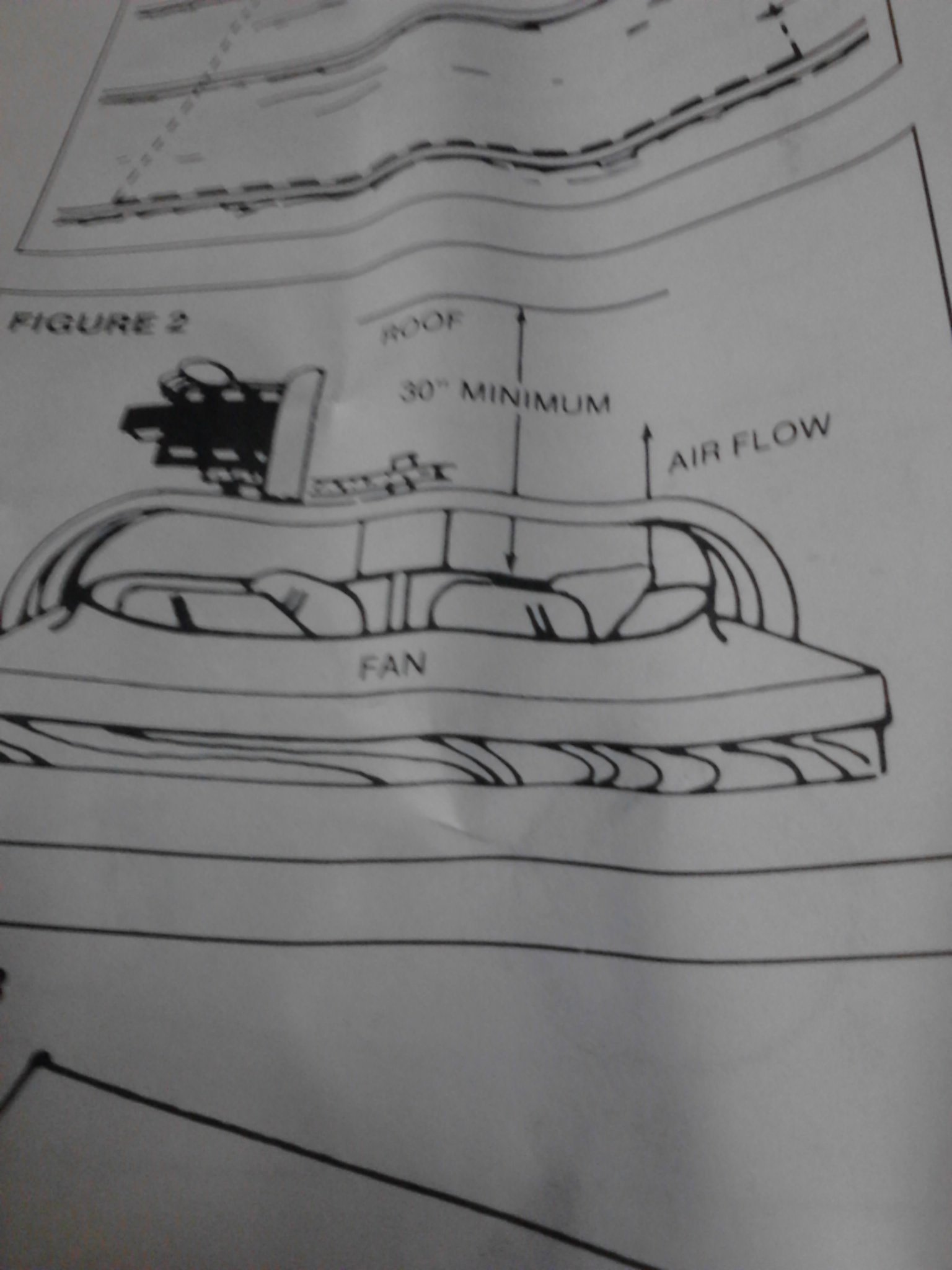
If we need a fan that keeps our attic air moving without making us invent new curse words during installation, this one gets the job done.
Pros
- Easy install — we didn’t have to channel our inner carpenter or saw through floor joists
- Surprisingly quiet — we’ve tried noisier library fans
- Strong airflow — says goodbye to heat like it owes us money
Cons
- Needs lots of attic vent space — we had some measuring to do
- Not as powerful as those monster-size fans
- Shutters can rattle if not installed just right
When we popped open the box, we expected a project that would eat our whole Saturday. Much to our joy (and surprise), this fan’s design let us pop it into place with no drama or emergency trips to the hardware store.
The automatic shutter looked sharp and handled itself with zero fuss. We used the pull chain to swap speeds and felt the temp drop pretty quickly upstairs.
Living with this fan feels like having a helpful but quiet roommate—just consistently moving air without demanding a lot of attention (or pizza). The sound is low-key, and it doesn’t become the soundtrack to our attic adventures.
It handled the heat like a champ once we figured out how much exhaust venting we needed. It’s not the most powerful attic fan we’ve tried, but it handles medium-size homes well.
When humidity ramps up, we appreciate the airflow. As long as we installed the shutters carefully, everything ran smoothly—no constant clacking.
If we need something simple, reliable, and easy to put in, the Air Vent 24″ Attic Fan is worth a look.
InoKraft Attic Wireless Exhaust Fan
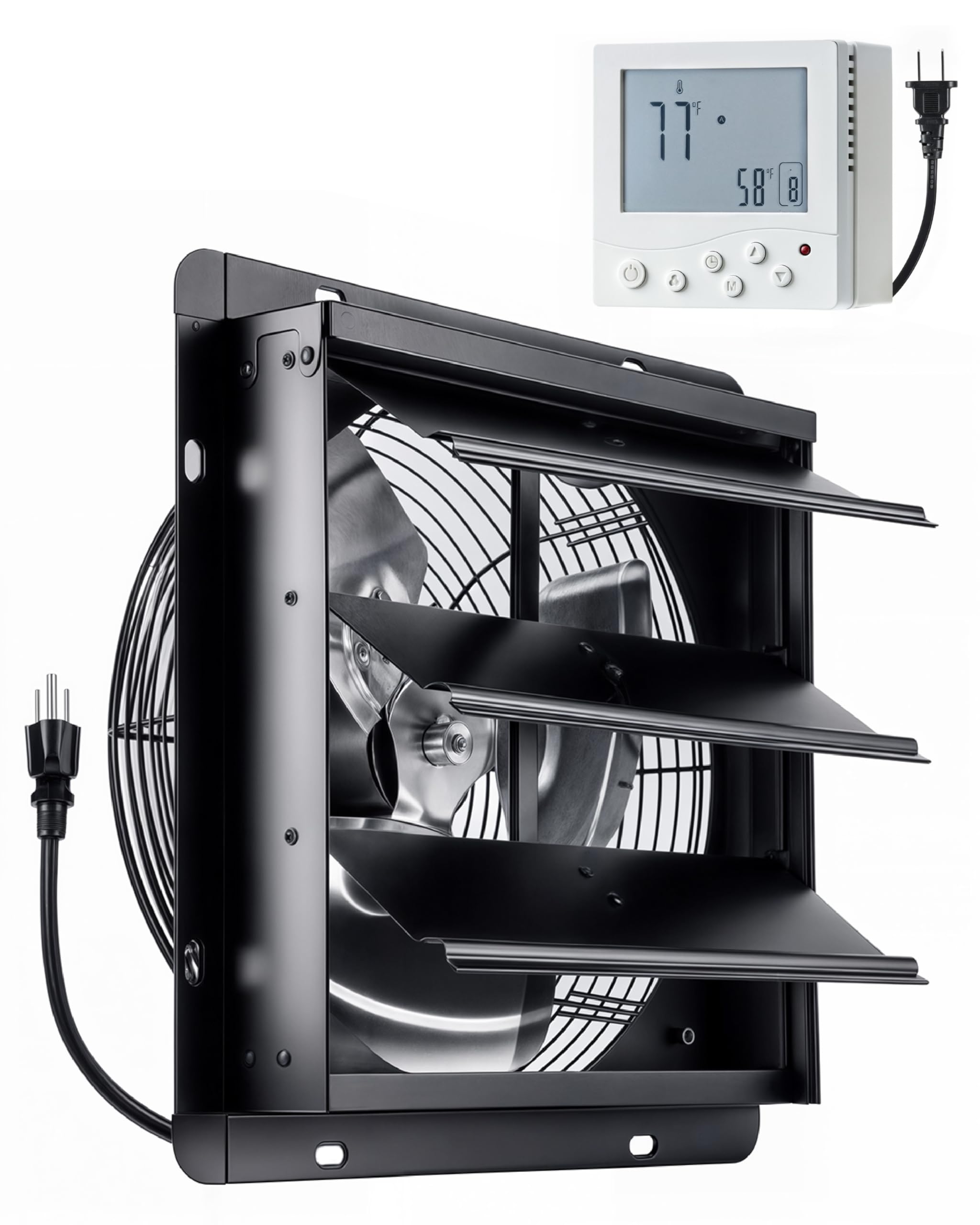
If you want to beat attic heat without elbow grease or noise complaints, this fan is worth a look.
Pros
- Powerful enough to cool an attic before you even find your sunglasses
- Wireless control lets you command airflow from across the garage in your socks
- Easy for DIY-wannabes to install without professional help
Cons
- Wireless remote can’t talk through walls—so no superhero powers
- On max speed, it gets a little noisy if you’re right next to it
- Needs to be plugged in, so you’ll need a free outlet
When I hauled this InoKraft fan up to my sauna-like attic, it was a revelation.
The 1500 CFM power pushed hot air out faster than I could sweat through my shirt.
When the space got stuffy, a quick blast with the remote had me chilling again—no ladders, no drama.
Hanging the wireless panel anywhere (within reason) became my favorite trick.
I didn’t try to change settings through solid walls, because, well, I’m not a magician.
Eight fan speeds and a timer let me adjust for moody weather or surprise heat waves.
Installation? If I can do it without loudly grumbling, so can anyone.
Everything I needed came in the box, with a wall template that saved me from cutting a lopsided hole.
The heavy-duty build handled humidity too—important, since my attic is about as damp and dusty as an old sock drawer.
This fan blocks bugs, drafts, and sudden rain showers from spoiling storage.
Is it perfect? Not for psychic remote users.
But for the rest of us, it’s smart, sturdy, and gets the job done.
Buying Guide
Let’s not sweat it—finding the best attic fan isn’t rocket science, but it does take a little know-how.
We need to look at more than just “will this fit in the attic with Aunt Mabel’s old dresser?” Size matters, after all.
Airflow is key.
Check the CFM (cubic feet per minute).
The higher the CFM, the more air moves out of your attic.
If your attic is the size of a closet, you don’t want a fan that could launch you into next week.
It’s worth pausing before you run to the checkout: noise levels matter.
Nobody wants a fan that sounds like a jet engine, unless you’re planning airplane reenactments.
You’ll also want the fan to be energy efficient.
Your power bill shouldn’t make you keel over every month.
Look for energy-saving features like thermostats or solar options.
Here’s a quick table to keep things organized:
| Feature | What to Look For |
|---|---|
| CFM | Matches attic size |
| Noise Level | Quieter is better |
| Energy Use | Low wattage, smart tech |
| Easy Install | Simple, clear setup |
| Safety | Fire-safe, solid build |
Don’t forget about easy installation.
If it takes you longer to set up than your favorite board game, it’s probably time to call in a pro—or rethink your choices.
Safety matters too.
No one wants a fan chomping down on stray wires or causing attic fires.
Sturdy construction is always the way to go!
Frequently Asked Questions
Ever wonder if your attic fan is actually doing its job or just making a racket?
With gadgets, features, and brand showdowns, things get confusing fast.
How can we tell if our attic fan is just a spin class instructor or actually cools the place down?
If your attic still feels like an oven after an afternoon, it’s time to question your fan’s skills.
A good attic fan drops the temperature noticeably, so the upstairs doesn’t feel like summer camp in the desert.
If you see dust spinning around but no drop in heat, your fan may be exercising, not cooling.
Is a fan with a remote for our attic just lazy luxury or a total game-changer?
Remotes let us control the fan without climbing through insulation or stepping on a lost Lego.
You get to save steps and avoid attic acrobatics.
In all honesty, it’s not just about being lazy—sometimes you just don’t want to battle spiderwebs.
Could installing an attic fan be the secret to serenity with a whisper-quiet operation?
Modern attic fans can hum so softly that you forget they’re running.
If you’ve ever lost sleep to a loud fan, a quiet model feels like peace and quiet in a box.
Some units even come with noise ratings.
Lower decibel numbers mean you’ll hear less buzzing and more of your own thoughts.
Do we need a weatherman to tell us if our attic fan should come with a humidistat and thermostat?
If you want your fan to work only when it’s really needed, built-in sensors are your friends.
A humidistat and thermostat mean the fan takes over decision-making, running just when the heat or humidity kicks in.
No degree in meteorology is required—you can let the gadgets handle the guesswork.
In the battle of attic fan supremacy, should we bet our money on QuietCool or the next noisy contender?
QuietCool fans have a good reputation for being quiet and lasting a long time.
Other brands might save you a buck, but could leave you with rattles and roars.
Your ears (and temper) usually thank you for going with the best-reviewed brands.
When it comes to staying cool, is opting for a whole house attic fan like inviting a mammoth to a squirrel party?
Whole house fans are big and powerful—sometimes more than we need.
If you’ve got a smaller attic, a standard attic fan might actually make more sense.
But if cooling the whole home is your mission, the bigger fan isn’t overkill. It’s just waiting to be put to work.
Just make sure your attic and house can handle all that power!